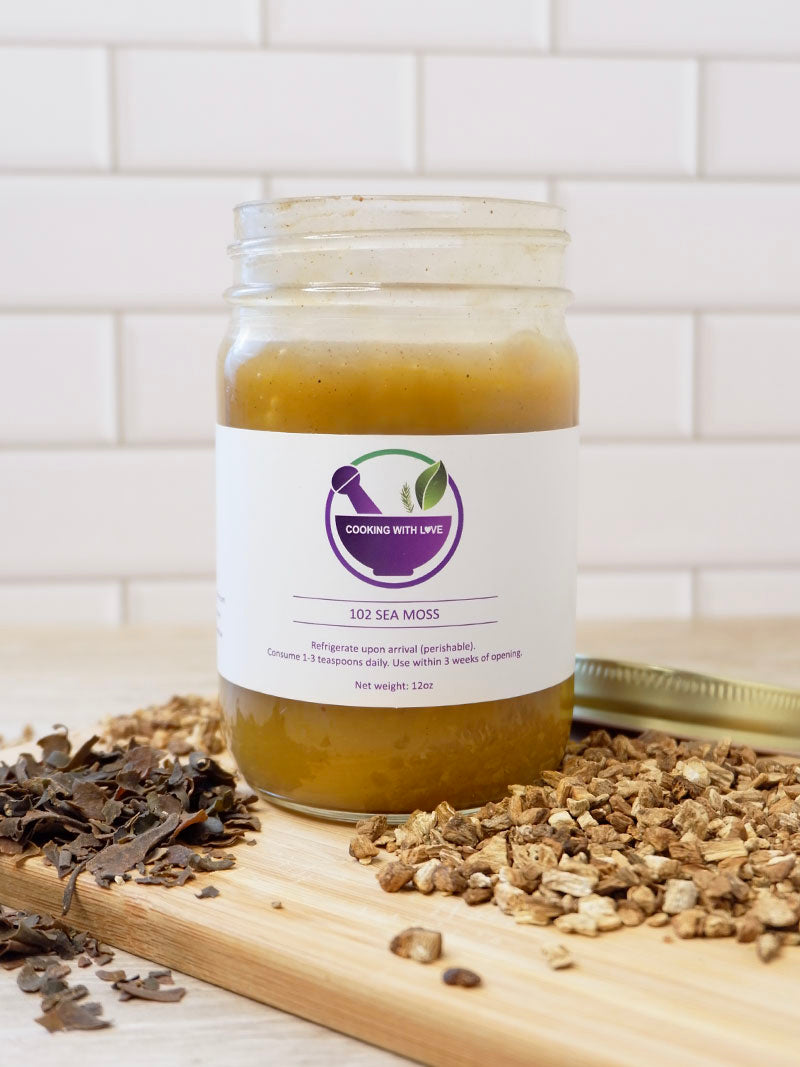
Sea Moss Gel vs Multivitamins: Comparing Natural and Synthetic Supplements
Sea moss gel and multivitamins are popular choices for people looking to boost their nutrient intake. Both options have unique benefits and drawbacks.
It has been said that sea moss may contain up to 92 of the 102 vitamins and minerals that the human body needs, making it a comprehensive natural supplement.
When deciding between sea moss gel and multivitamins, you should consider factors like absorption, convenience, and personal health needs. Sea moss gel is a whole food supplement, which may be easier for your body to absorb. On the other hand, multivitamins are synthesized supplements designed to fill nutritional gaps in your diet.
Choosing between sea moss capsules and gel depends on your lifestyle and preferences. Capsules offer convenience, while gel allows for more versatile use in recipes and drinks.
Understanding Sea Moss Gel
Sea moss is a sea vegetable a part of the seaweed/sea algae family that is edible and considered a nutrient- dense superfood, rich in vitamins, minerals, nutrients, and antioxidants.
Sea moss comes in various species and colors, ranging from green, yellow, and purple to red and brown. Among the most notable species is Chondrus Crispus, often called Irish Sea Moss, which thrives along the Atlantic coasts of Canada, the United States, Africa and Ireland. In warmer waters, species like Eucheuma Cottonii and Gracilaria flourish, particularly in the Caribbean regions of St. Lucia and Jamaica, known for producing some of the finest wild-harvested sea moss in the world.
Composition of Sea Moss Gel
Sea moss gel is packed with essential nutrients. It contains 92 of the 102 minerals that your body needs. These include iodine, calcium, potassium, and magnesium.
Sea moss gel also provides:
-
Vitamins A, C, and E
-
Fiber
-
Antioxidants
-
Omega-3 fatty acids
The gel form keeps these nutrients in their natural state. This makes them easy for your body to absorb and use.
Health Benefits
Sea moss gel offers many potential health benefits. It may help:
-
Boost your immune system
-
Improve digestion
-
Support thyroid function
-
Enhance skin health
Research suggests that sea moss gel might protect against chronic diseases. Its high mineral content could reduce the risk of heart disease. The gel's anti-inflammatory properties may also aid in disease prevention.
Usage in Daily Diet
You can easily add sea moss gel to your daily diet. The recommended dose is 1-2 tablespoons per day for most adults.
Here are some ways to use sea moss gel:
-
Mix it into smoothies
-
Add it to soups or stews
-
Use it as a thickener in desserts
-
Blend it into dips or sauces
It's best to take sea moss gel with food, not on an empty stomach. Try to include it in your morning routine for consistent use.
Examining Multivitamins
Multivitamins are dietary supplements that contain a mix of vitamins and minerals. They come in different forms and serve various purposes for people's health and nutrition needs.
Multivitamin Ingredients
Most multivitamins contain essential vitamins like A, C, D, E, K, and B-complex. They also include minerals such as calcium, magnesium, zinc, and iron. Some formulas add extra nutrients like omega-3 fatty acids or herbal extracts.
The amounts of each ingredient can vary widely between brands. Some multivitamins aim to provide 100% of the daily recommended value for many nutrients. Others offer lower or higher amounts based on their target market.
It's important to check the label to know exactly what you're getting. Not all multivitamins are created equal.
Varieties and Forms
You can find multivitamins in several forms:
-
Tablets
-
Capsules
-
Gummies
-
Liquids
-
Powders
Each form has its pros and cons. Tablets are often the cheapest but can be hard to swallow. Gummies taste good but may contain added sugars. Liquids and powders can be easier to take but might not last as long.
There are also multivitamins made for specific groups:
-
Men
-
Women
-
Children
-
Seniors
-
Pregnant women
These specialized formulas adjust nutrient levels to match the needs of each group.
Intended Purpose
The main goal of multivitamins is to fill nutritional gaps in your diet. They're not meant to replace healthy eating. Instead, they supplement your regular food intake.
Some people take multivitamins to:
-
Boost energy levels
-
Support immune function
-
Improve skin and hair health
-
Promote heart health
It's important to note that research on the benefits of multivitamins is mixed. While they can help prevent deficiencies, they may not provide extra health benefits if you already eat a balanced diet.
Talk to your doctor before starting any new supplement. They can help you decide if a multivitamin is right for you based on your health needs and current diet.
Nutrient Profile Comparison
Sea moss gel and multivitamins offer different nutrient profiles. Both provide essential vitamins and minerals, but their content and bioavailability vary. Let's examine their key components and how they compare.
Vitamins Content
Sea moss gel contains vitamins A, C, E, and K. It's particularly rich in vitamin C, which supports immune function. Many multivitamins provide a broader range of vitamins, including B-complex vitamins.
Multivitamins often include higher doses of certain vitamins. For example, you'll typically find more vitamin D in a multivitamin than in sea moss gel.
Sea moss gel's vitamins come from a natural source. This can be beneficial if you prefer whole food supplements.
Minerals Present
Sea moss gel is high in iodine, potassium, and calcium. It also contains magnesium and other trace minerals. These minerals support various bodily functions, including thyroid health and bone strength.
Multivitamins often contain a wider range of minerals in standardized amounts. You'll find iron, zinc, and selenium in many multivitamin formulas.
The mineral content in sea moss can vary based on where it's harvested. Multivitamins offer more consistent mineral levels from dose to dose.
Bioavailability
Sea moss gel may be more easily absorbed by your body compared to synthetic multivitamin supplements. This is because it's a whole food source.
The nutrients in sea moss gel are present in their natural form. Your body may recognize and utilize these more efficiently than synthetic versions.
Multivitamins can have varying bioavailability depending on their formulation. Some use chelated minerals or other technologies to enhance absorption.
Your individual digestive health can affect how well you absorb nutrients from either source. Consider factors like stomach acid levels and overall gut health.
Pros and Cons
Sea moss gel and multivitamins each have their own strengths and weaknesses. They offer different ways to get nutrients into your body. Let's look at the good and bad points of both options.
Advantages of Sea Moss Gel
Sea moss gel is a natural product that gives you many nutrients at once. It has 92 of the 102 vitamins and minerals your body needs. This makes it a great all-in-one supplement.
Sea moss gel may help your:
-
Digestion
-
Immune system
-
Skin health
-
Energy levels
You can easily add sea moss gel to drinks or food. This makes it simple to use every day. Many people like that it comes from nature, not a lab.
Sea moss also contains fiber and antioxidants. These can help your overall health in ways that plain vitamins might not.
Benefits of Multivitamins
Multivitamins give you a set amount of vitamins and minerals. You know exactly what you're taking each day. This can help you fill gaps in your diet.
Multivitamins are easy to take. You just swallow a pill or two. There's no taste to worry about. They also last a long time on the shelf.
You can find multivitamins made for specific needs. There are options for:
-
Women
-
Men
-
Seniors
-
Children
-
Pregnant women
Multivitamins often have high levels of important nutrients. This includes things like vitamin D and B12. Many people don't get enough of these from food alone.
Limitations of Multivitamins
Your body might not absorb all the nutrients in a multivitamin. Some vitamins work better when taken with food. Others can interfere with each other.
Multivitamins don't have the same wide range of minerals as sea moss. They usually focus on the most common vitamins and minerals.
Some people have trouble swallowing pills. This can make taking multivitamins hard. Chewable options exist, but they might not taste good.
Multivitamins don't give you the extra benefits of whole foods. They lack things like fiber and plant compounds that can boost your health.
Dietary Considerations
Sea moss gel and multivitamins have different impacts on diets. Your dietary needs and restrictions play a big role in choosing between them.
Vegetarian and Vegan Concerns
Sea moss gel is plant-based and suitable for vegetarians and vegans. It offers a natural source of minerals without animal products. This makes it a good choice if you follow a plant-based diet.
Many multivitamins contain animal-derived ingredients. These may include gelatin, fish oil, or vitamin D3 from sheep's wool. If you're vegan, you'll need to look for specially made vegan multivitamins.
Sea moss provides nutrients in a whole-food form. Your body may absorb these better than synthetic vitamins. This can be helpful if you worry about getting enough nutrients on a plant-based diet.
Allergies and Sensitivities
If you have seafood allergies, you should be careful with sea moss. While rare, some people may react to it. Always check with your doctor first if you have concerns.
Multivitamins often contain common allergens like soy, wheat, or dairy. Check labels carefully if you have food sensitivities. Some people find that synthetic vitamins upset their stomach.
Usage and Dosage
Sea moss gel and multivitamins have different recommended intakes and usage guidelines. It's important to follow proper dosages and consult health professionals when adding these supplements to your diet.
Recommended Daily Intake
For sea moss gel, the typical dosage is 1-2 tablespoons per day. You can add it to smoothies, teas, or use it as a thickener in foods. If you prefer sea moss powder, aim for 1-2 teaspoons daily mixed into beverages or food recipes.
Multivitamin doses vary based on the specific product and your individual needs. Most multivitamins are taken once daily with food. Always check the label for the recommended serving size.
Be careful not to exceed the suggested amounts, as too much of certain vitamins and minerals can be harmful.
Consulting with Health Professionals
Before starting any new supplement regimen, talk to your doctor or a registered dietitian. They can help you determine if sea moss gel or multivitamins are right for you based on your health status and nutritional needs.
Your healthcare provider can also advise on potential interactions with medications you may be taking. They'll consider your diet, lifestyle, and any existing health conditions to recommend the best supplement approach for you.
Regular check-ups can help monitor how the supplements are affecting your health and allow for adjustments if needed.
Consumer Preferences
People have different preferences when it comes to choosing between sea moss gel and multivitamins. Your personal tastes, lifestyle, and budget can all play a role in deciding which option works best for you.
Taste and Texture
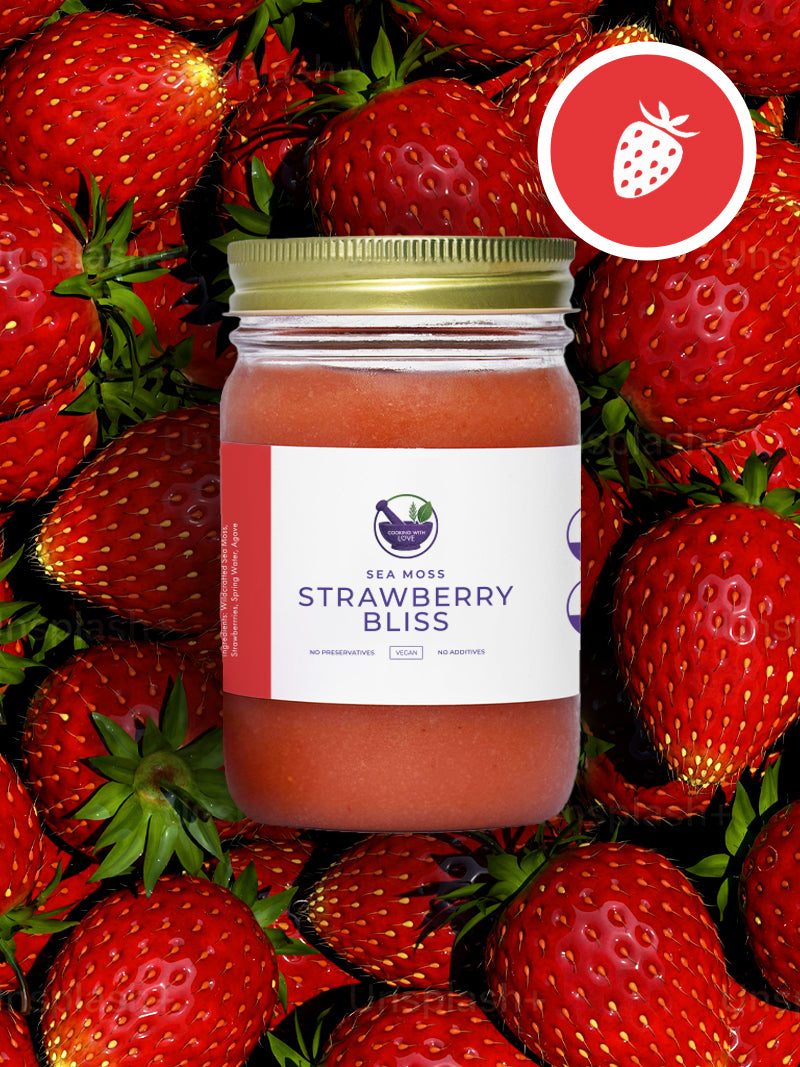
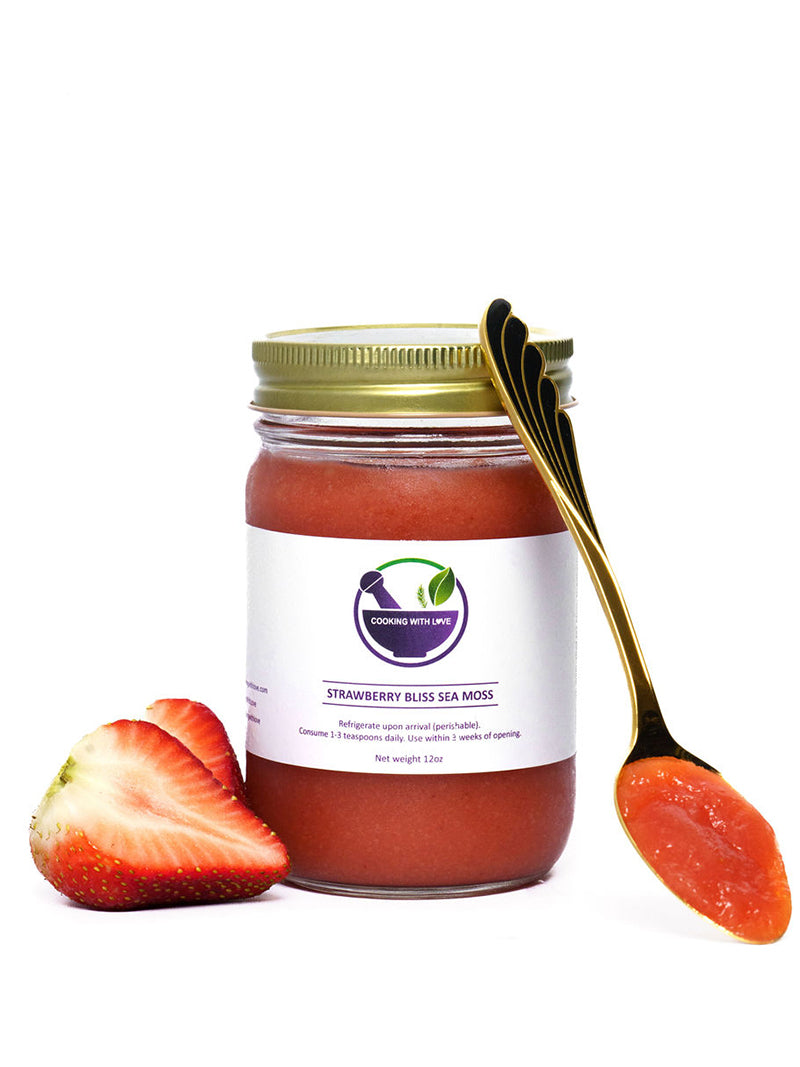
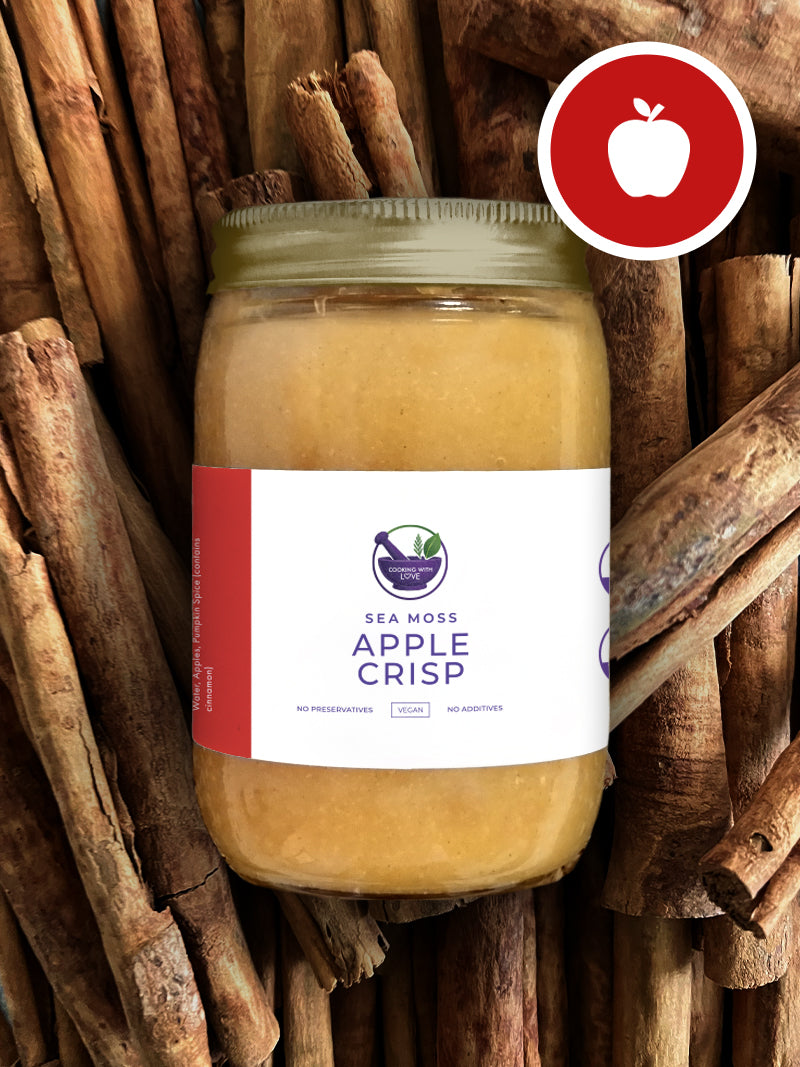
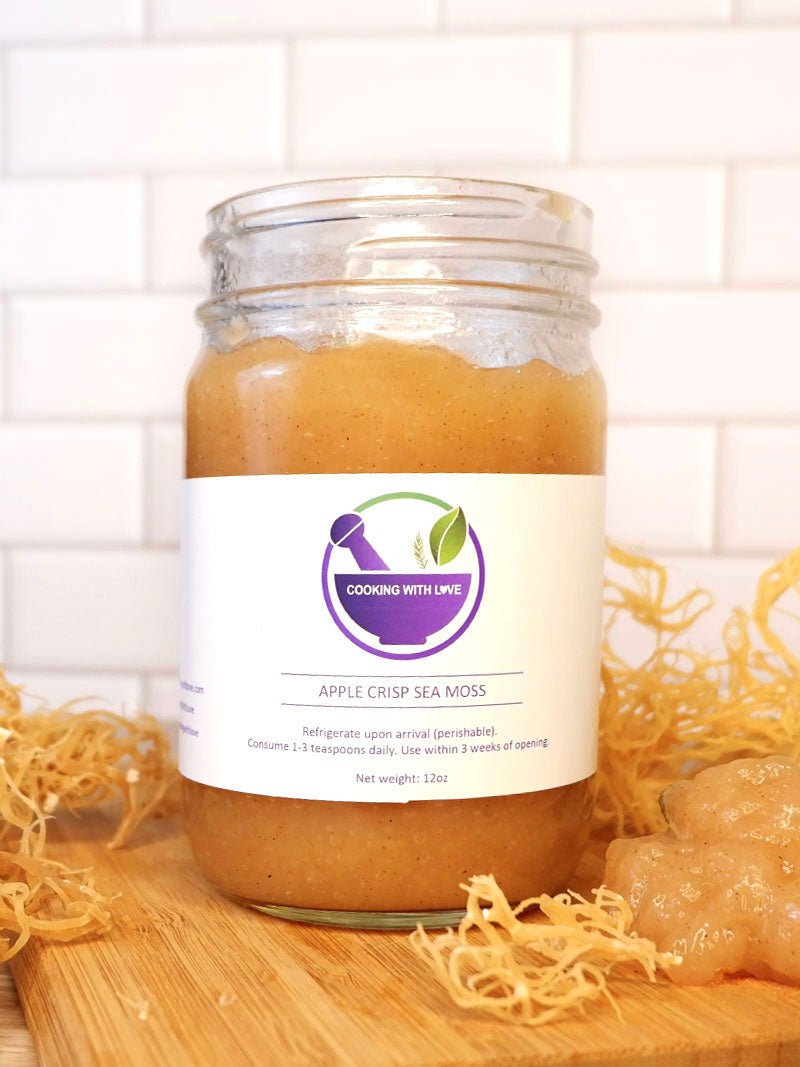
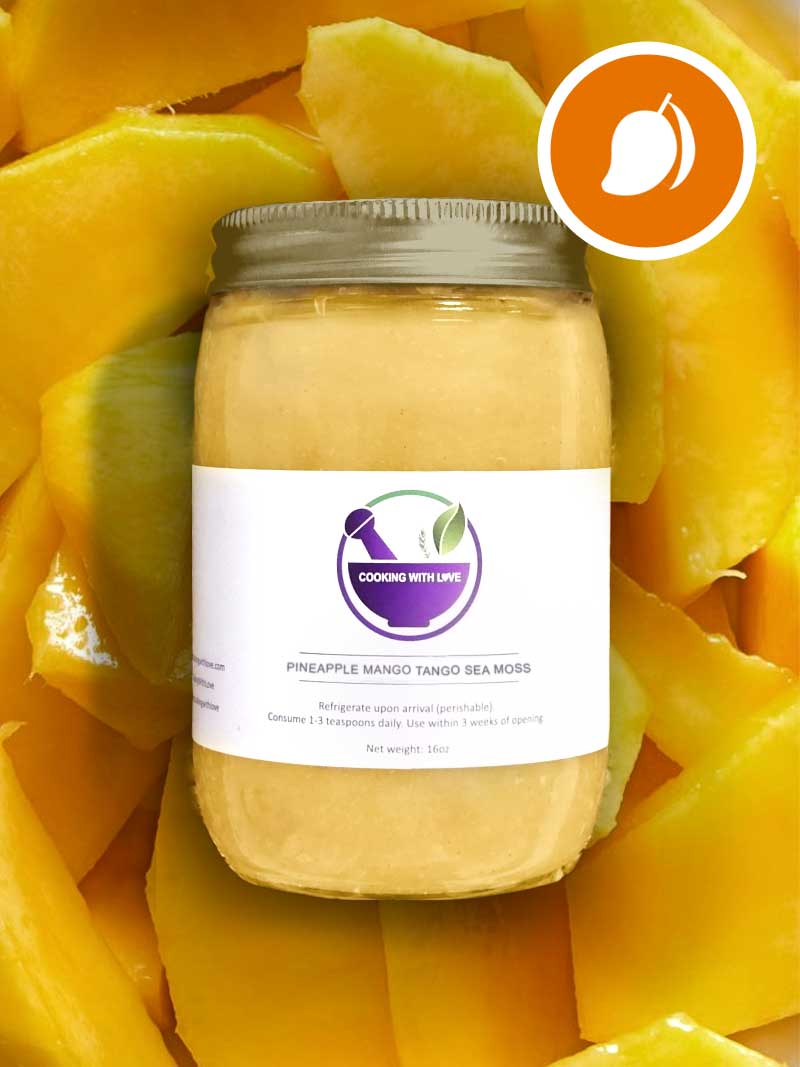
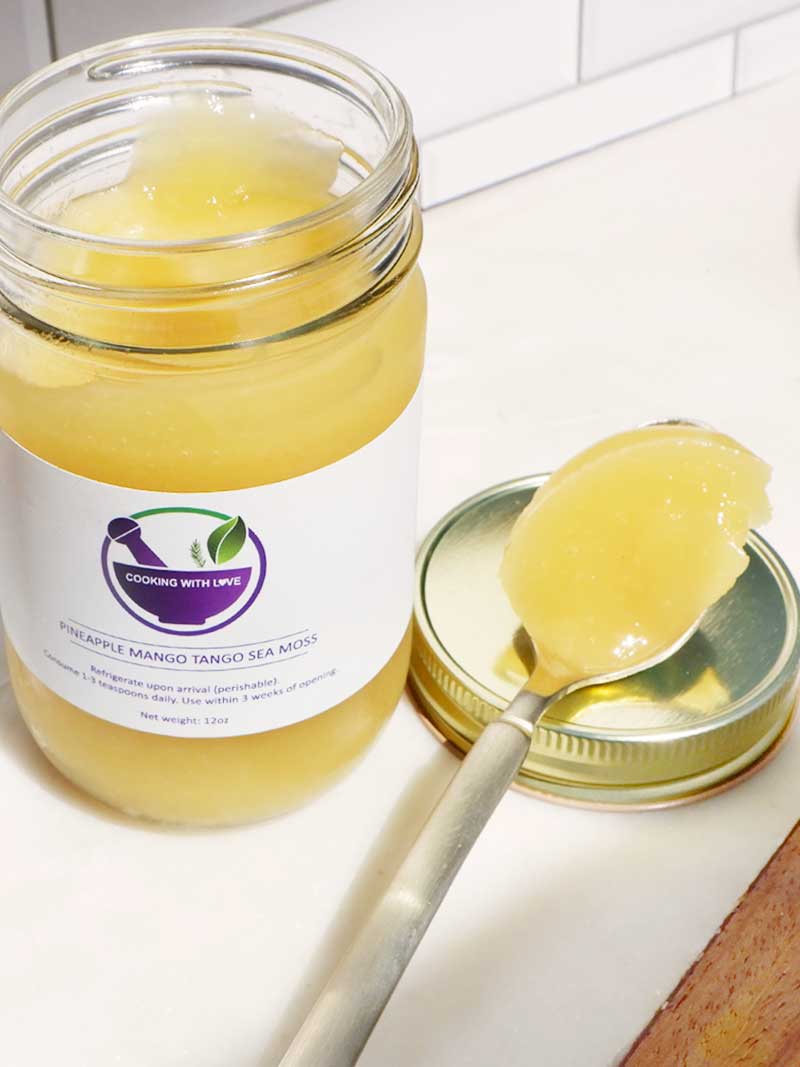
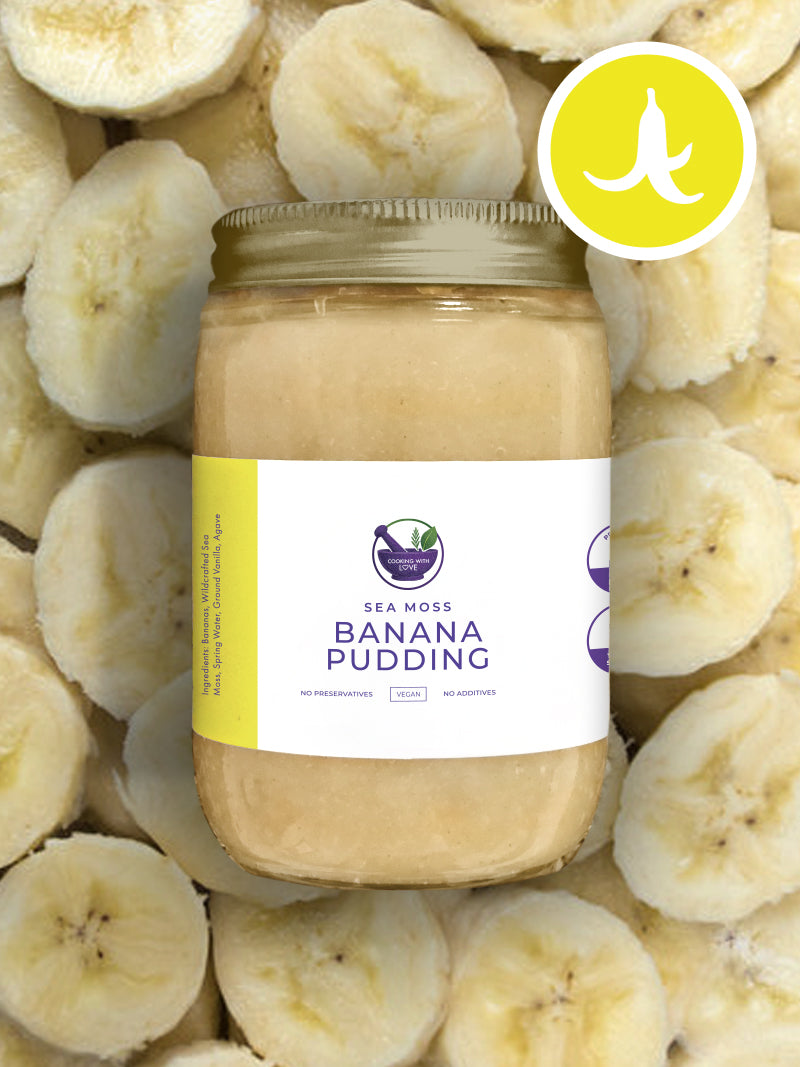
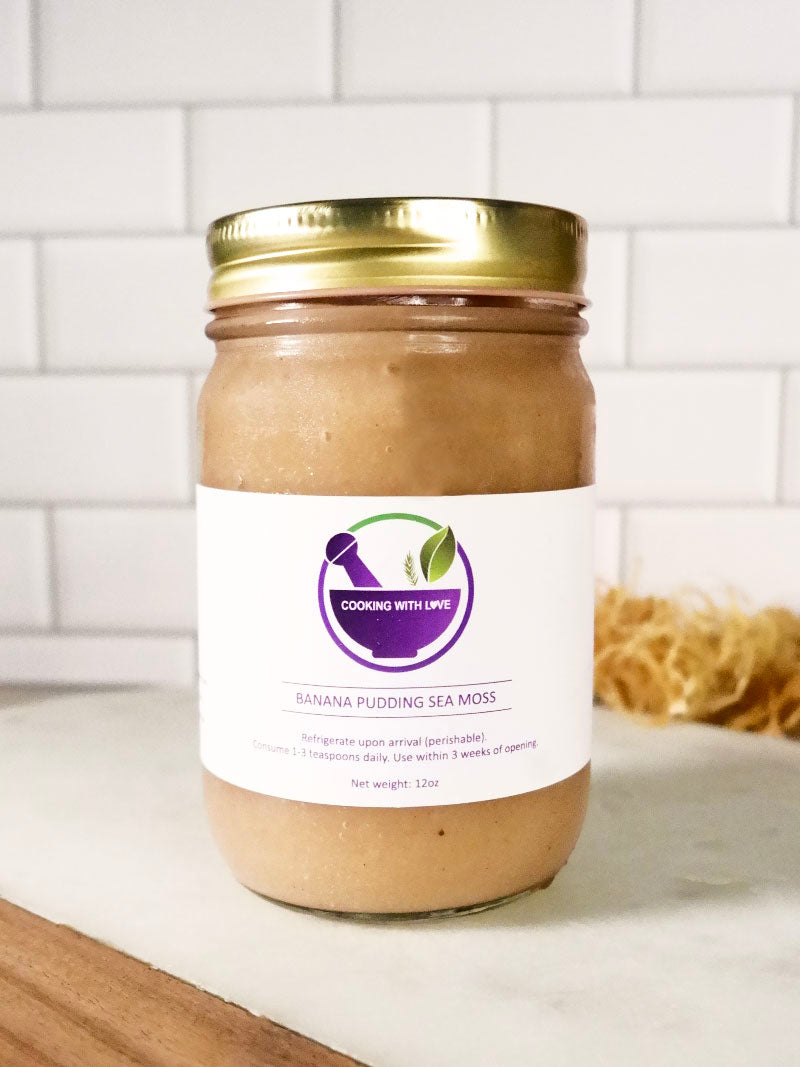
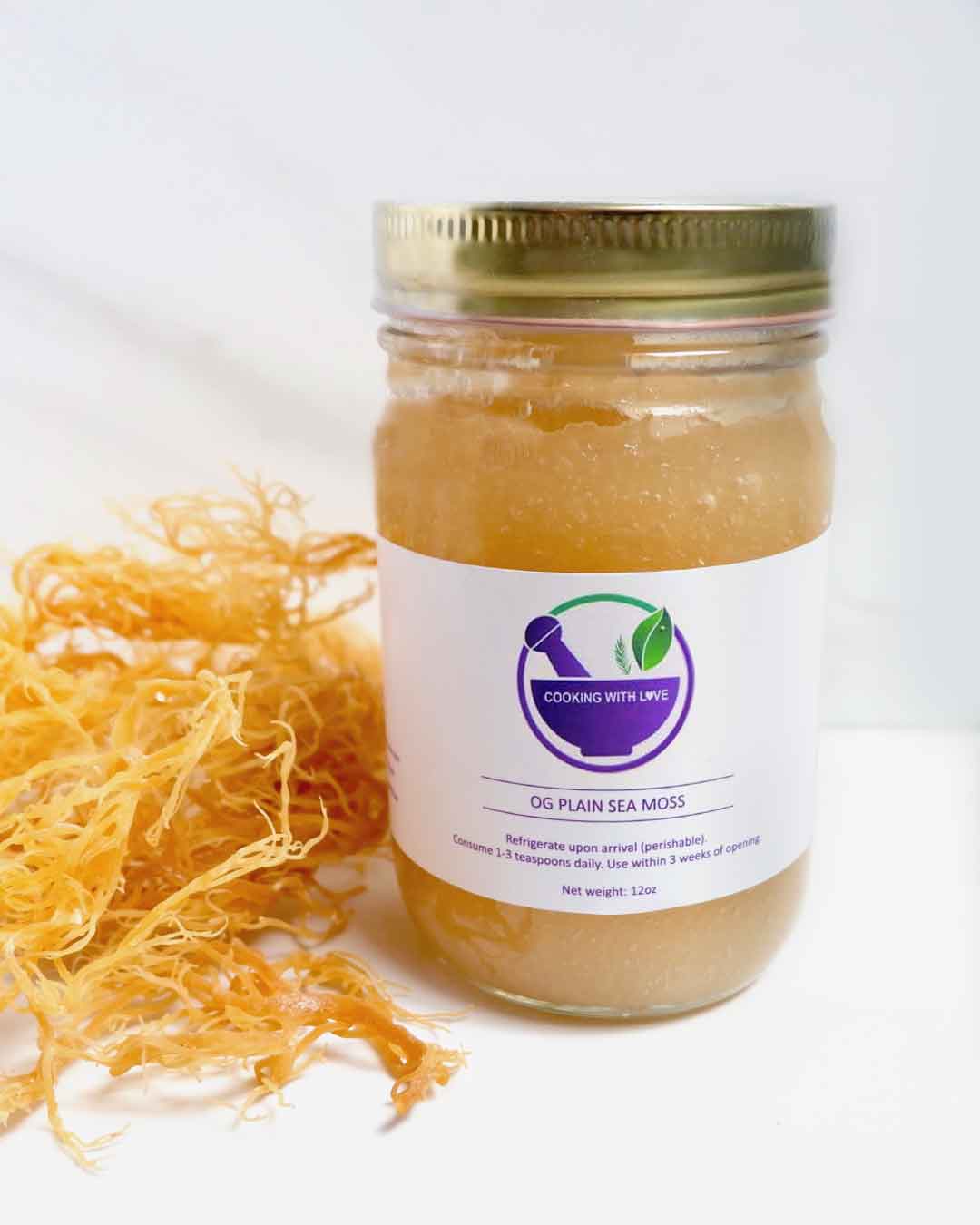
Cooking With Love offers some of the best nostalgic tasting sea moss gels on the market. Our gels are thick and not watered down or diluted, which makes our gels premium and of quality. Easy and palatable enough to enjoy off the spoon or mixed into smoothies, yogurts, oats, teas, beverages, and so much more.
Multivitamins come in various forms like tablets, capsules, or gummies. They often have added flavors to make them more palatable.
Gummy vitamins are popular for their candy-like taste and chewy texture.
Some people prefer the natural taste of sea moss, while others find multivitamins easier to stomach. Your preference may depend on how sensitive you are to tastes and textures.
Ease of Use
As mentioned before, sea moss gel can be added to various foods and drinks. You can blend it into smoothies, mix it into soups, or use it as a thickening agent in recipes.
This versatility allows you to incorporate it into your daily routine in creative ways.
Multivitamins are typically taken once a day with water. This simplicity appeals to many people who want a quick and easy way to supplement their diet.
You don't need to prepare anything or think about how to use them.
Your lifestyle and daily habits may influence which option you find more convenient. If you enjoy cooking and experimenting with recipes, sea moss gel might be a good fit.
If you prefer a no-fuss approach, multivitamins could be your best choice.
Conclusion
Sea moss gel and multivitamins both have their place in supporting your health. Sea moss offers a natural, whole-food approach with a wide range of minerals and vitamins. It may be easier for your body to absorb these nutrients.
Multivitamins provide a convenient way to fill nutritional gaps. They offer precise doses of specific vitamins and minerals you might be lacking.
Your choice depends on your personal needs and preferences. Consider factors like:
-
Ease of use
-
Absorption
-
Cost
-
Dietary restrictions
You might even choose to use both. Sea moss can complement multivitamins, offering additional benefits beyond what a standard supplement provides.
Remember to consult with a healthcare professional before adding any new supplements to your routine. They can help you determine the best option based on your individual health needs and goals.